The Neuroscience Behind Lasting Change
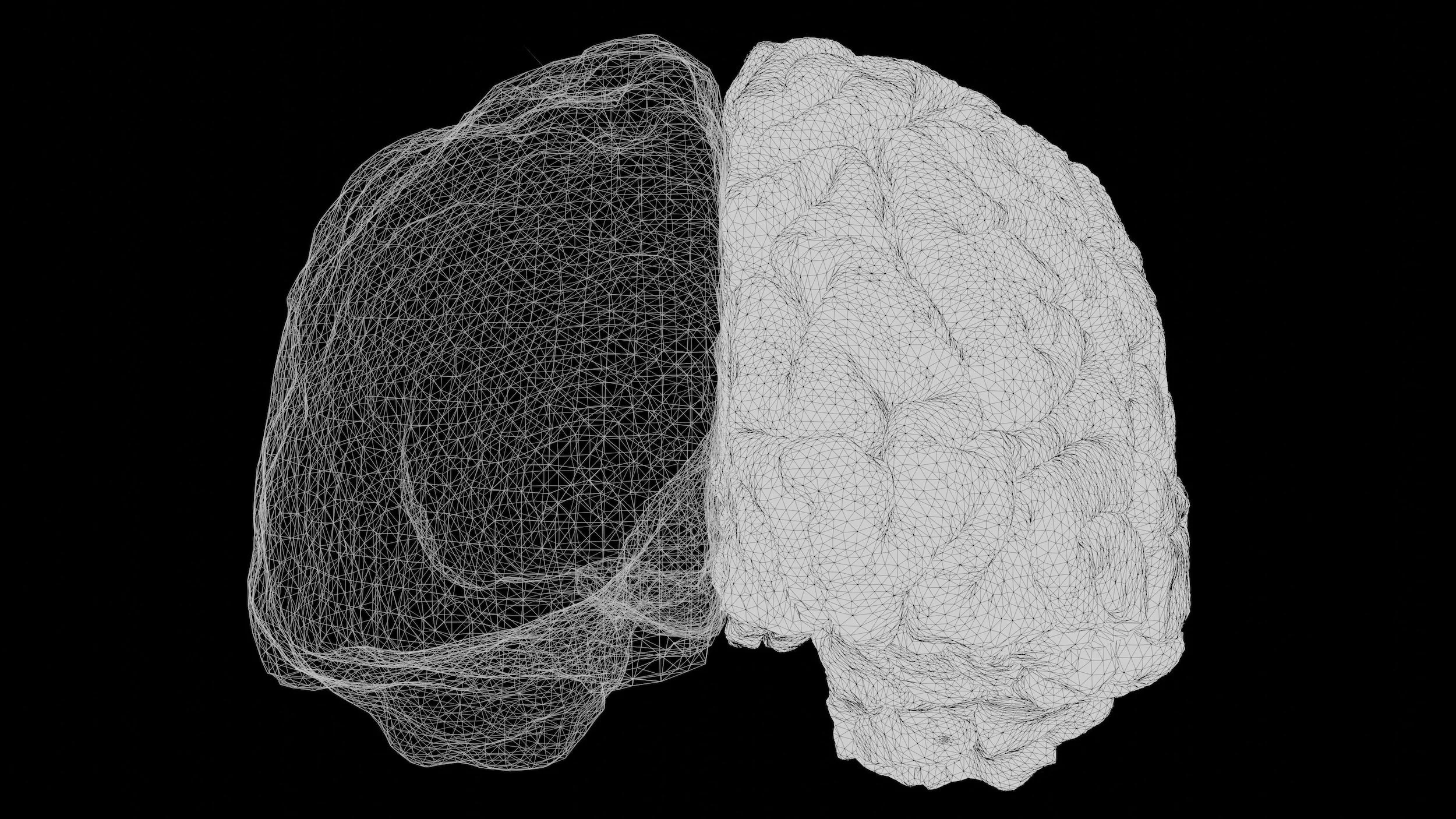
Understanding what's actually happening in your brain during real transformation changes how you relate to the possibility of your own change. Here's the science, kept as accessible as possible.
Your Brain Is Not Fixed
For most of the 20th century, scientists believed the brain was largely fixed after early childhood. We now know that's wrong. The brain has neuroplasticity: the ability to form new connections, reorganize existing ones, and prune what's no longer used, throughout your entire life. You are not stuck with the brain you have. It changes in response to experience, practice, and targeted intervention. This isn't a metaphor. It's measurable biology.
How Patterns Get Wired In
When something emotionally significant happens, your brain doesn't just form a factual memory. It forms a procedural memory: a program that bundles the emotional response, the body sensation, the interpretation, and the behavior that follows.
When a similar situation shows up again, the brain pattern-matches rapidly and fires the same program, often before your conscious mind has assessed whether it's actually appropriate to the current moment. That's the mechanism behind triggering. The brain isn't being irrational; it's running a pre-loaded program. The problem is the program was often written in a much earlier, very different context.
Memory Reconsolidation: The Brain's Update Window
Here's where it gets genuinely interesting. Neuroscientists have identified memory reconsolidation: a process where a reactivated memory becomes temporarily malleable. There's a brief window during which the memory can actually be updated before it reconsolidates and locks back in.
In practical terms, when an old emotional memory or subconscious belief is activated in a safe context, and new information is introduced within that window, the original memory can be changed. Not suppressed. Not managed. Changed at the source.
This is the neurological mechanism behind why modalities like PSYCH-K and certain IFS processes can produce results that feel fast. They aren't bypassing the brain. They're working with its own update mechanism, directly and intentionally.
Whole-Brain Integration
Certain body-based postures and processes have been shown to facilitate whole-brain states, conditions where both hemispheres are communicating optimally. Research using EEG has documented measurable shifts in brain activity during and after these processes. In a whole-brain state, the subconscious becomes more receptive to new information, so a clearly identified new belief is more likely to actually integrate, rather than sit filed away in the conscious mind while the old program keeps running underneath.
What This Means for You
You are not fighting your own brain when you do this work. You're working with its existing architecture: its capacity for change, its update mechanisms, its whole-system integration. The brain that generated your stuck patterns is the same brain that can generate new ones. The difference is knowing how to access the level at which those patterns were written, and working there, deliberately, with the right tools.